Deep Sea Genomic
Live solutions for pollution disasters
We design extremophilic biological consortia to degrade the world's most aggressive industrial pollution in both marine and terrestrial environments.
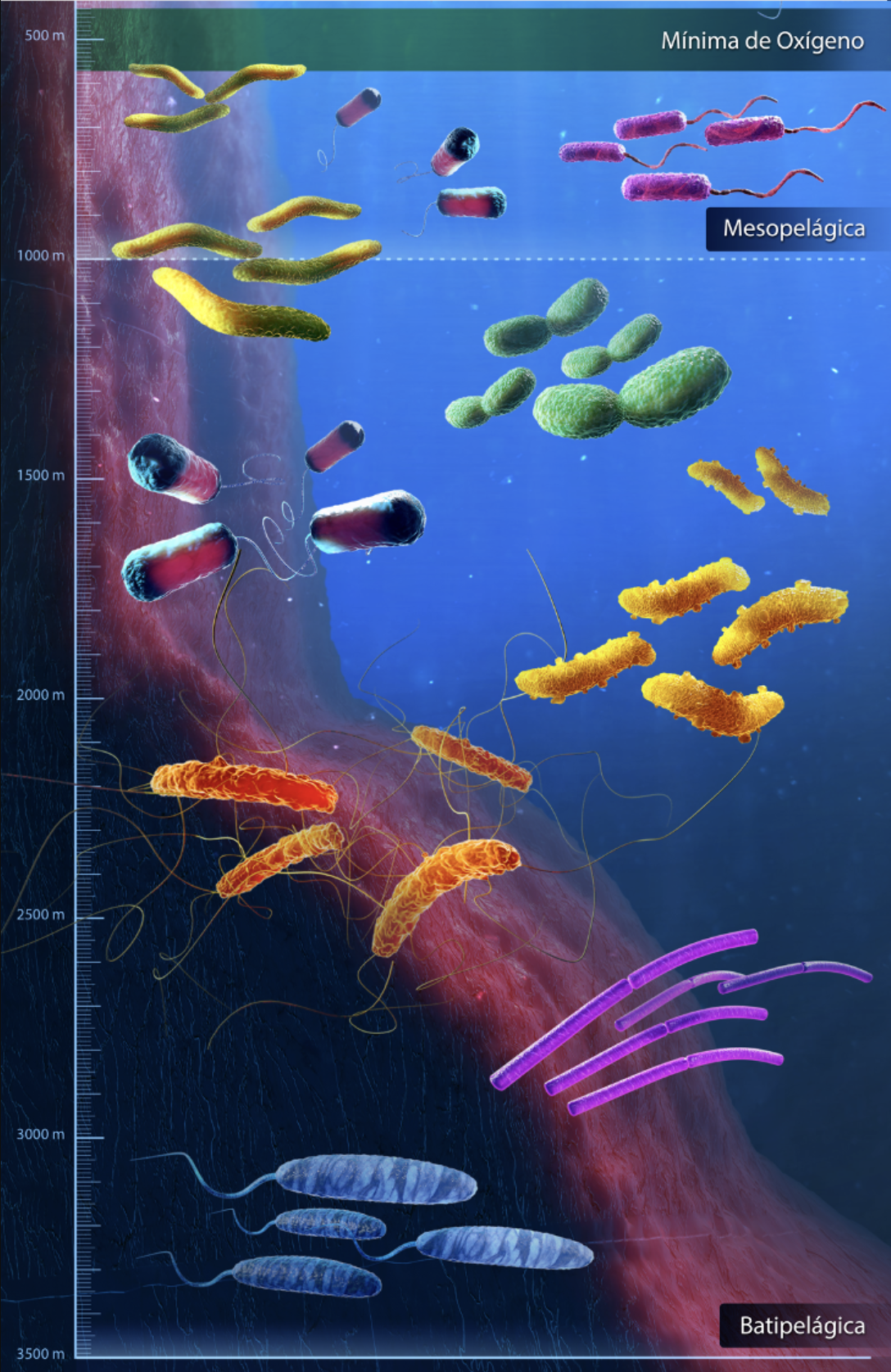
A proprietary catalog of bacteria with unique bioremediation capabilities
Deep Sea Genomic has an extensive proprietary catalog of bacteria and consortia capable not only of degrading hydrocarbons, but of eliminating heavy metals, plastics, and other pollutants in soil, fresh water, and seawater. We have the ability to generate the appropriate consortia to bioremediate specific contaminants, because we have the exact genetic, molecular, and metabolic information of our bacteria.

Products tested from pilot trials to commercial scale
The Deep Sea Genomic team has developed and tested at commercial scale specific products for the following bioaugmentation applications:
Crude oil spills at sea
Bioremediation of hydrocarbons in soils and water bodies using specialized bacterial consortia.
Wastewater treatment
- check_circleIncreased efficiency and capacity
- check_circleReduction of biosolids
- check_circleNutrient and toxicity control
Biomining
- check_circleMetal bioleaching
- check_circleBioremediation of cyanide and acid drainage
Aquaculture
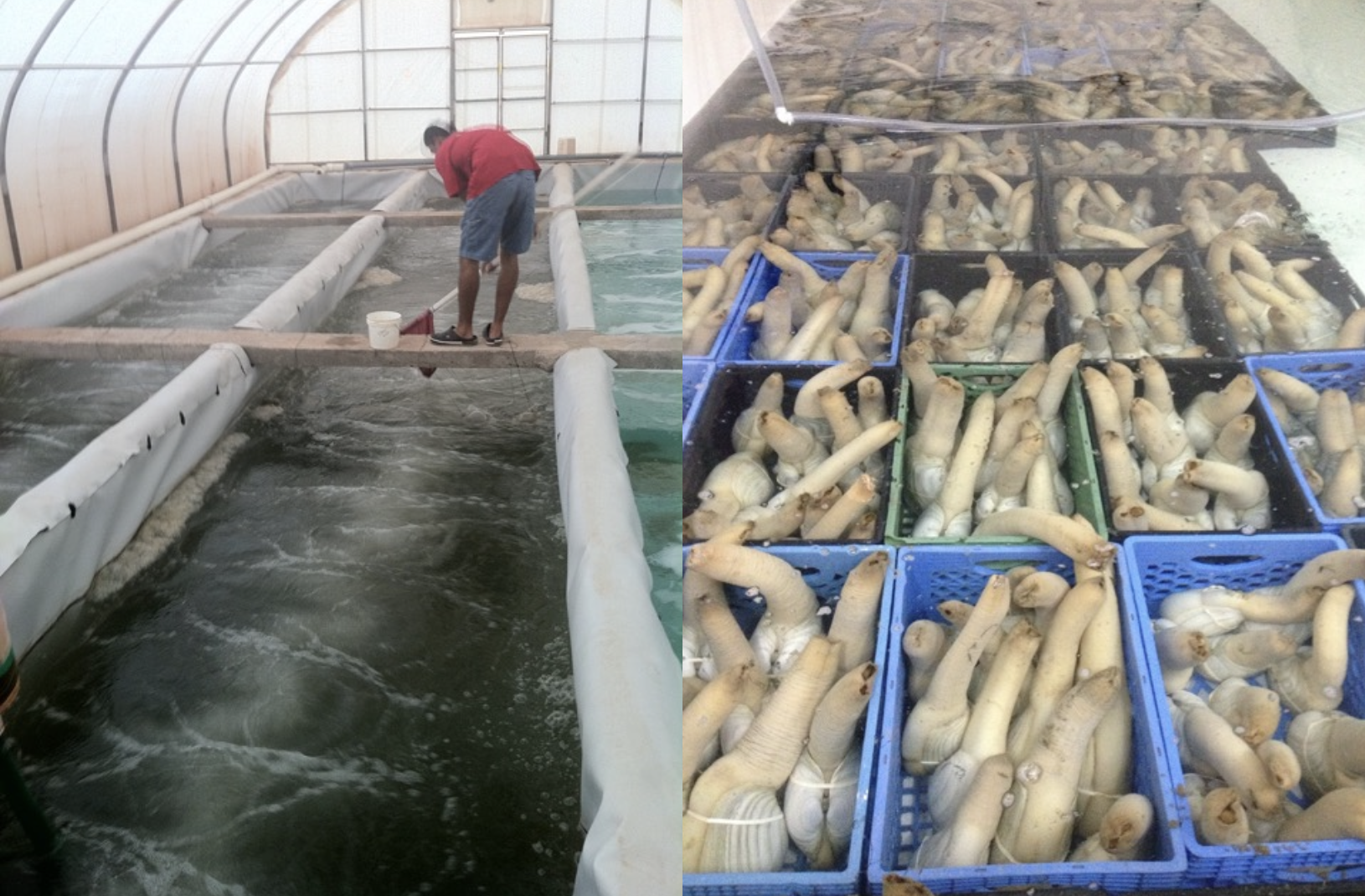
Recirculation systems
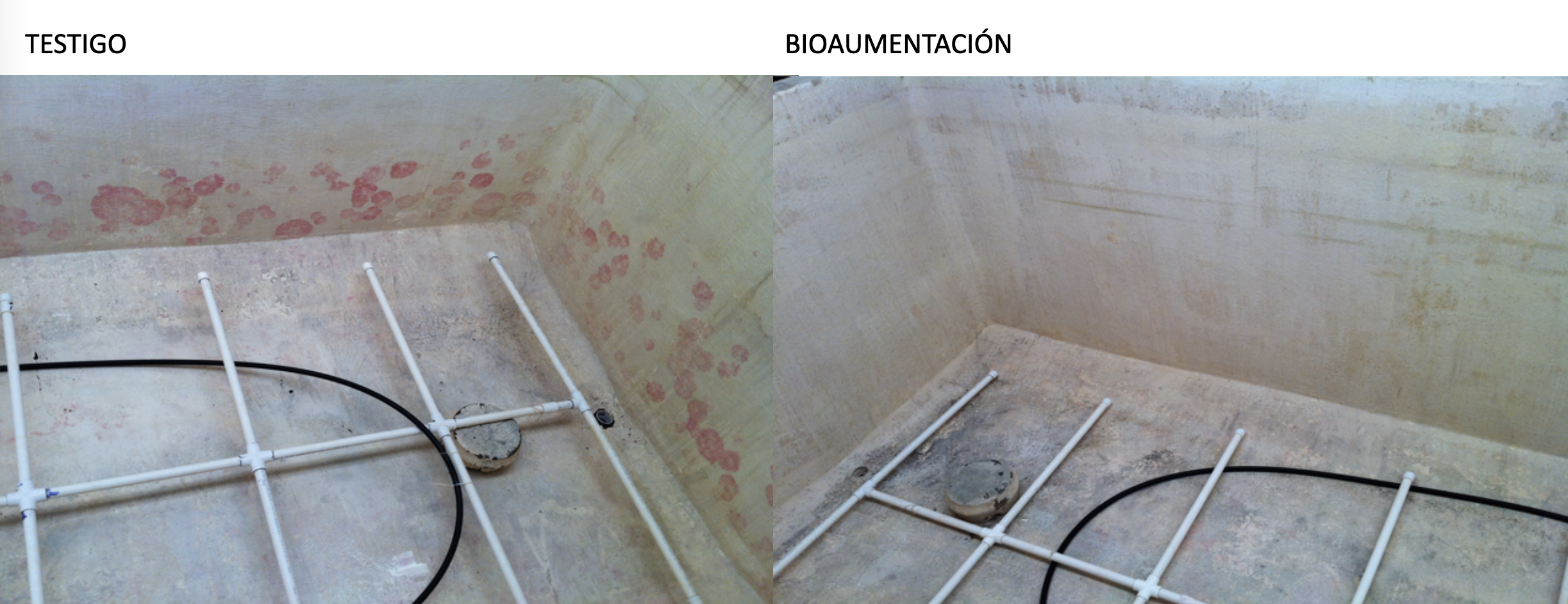
Water quality improvement in larval culture and maturation
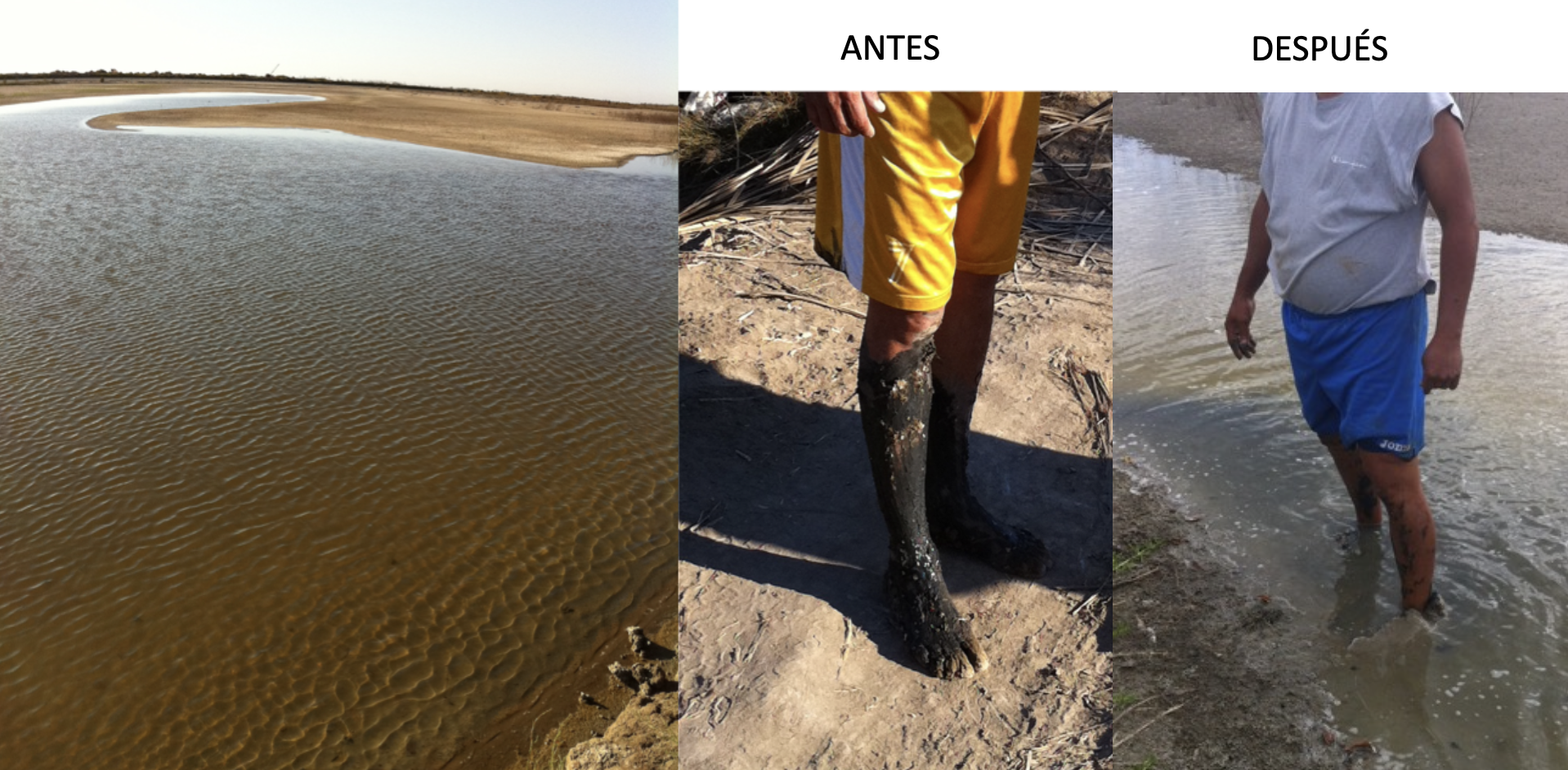
Bottom and water column treatment in tank systems
Differentiators
Applied science with academic rigor and tangible industrial results.
43 Bacterial Strains
Proprietary catalog of extremophilic microorganisms adapted to critical toxicity conditions.
Custom Consortia
We don't use generic solutions. We design specific bacterial communities for each pollutant.
UNAM Technology
Licensing of patents and protocols developed in Mexico's top excellence laboratories.
Scientific Evidence
Verifiable results through genomic monitoring and constant physicochemical analysis throughout the process.
Proprietary catalog of extremophilic microorganisms adapted to critical toxicity conditions.
Sustainable Development Goals
The 2030 Agenda for Sustainable Development is a plan of action for people, planet and prosperity adopted by all United Nations Member States in 2015. Deep Sea Genomic directly contributes to the following SDGs through its bioremediation solutions.


By 2025, prevent and significantly reduce marine pollution of all kinds, in particular from land-based activities, including marine debris and nutrient pollution.
Minimize and address the impacts of ocean acidification, including through enhanced scientific cooperation at all levels.
Increase scientific knowledge, develop research capacity, and transfer marine technology, taking into account the Intergovernmental Oceanographic Commission Criteria and Guidelines on the Transfer of Marine Technology, in order to improve ocean health and enhance the contribution of marine biodiversity to the development of developing countries.
By 2030, improve water quality by reducing pollution, eliminating dumping and minimizing release of hazardous chemicals and materials, halving the proportion of untreated wastewater and substantially increasing recycling and safe reuse globally.
By 2020, protect and restore water-related ecosystems, including mountains, forests, wetlands, rivers, aquifers and lakes.
Enhance scientific research, upgrade the technological capabilities of industrial sectors in all countries, in particular developing countries, including, by 2030, encouraging innovation and substantially increasing the number of research and development workers per 1 million people and public and private research and development spending.
Support domestic technology development, research and innovation in developing countries, including by ensuring a conducive policy environment for, inter alia, industrial diversification and value addition to commodities.
Strengthen resilience and adaptive capacity to climate-related hazards and natural disasters in all countries.
Integrate climate change measures into national policies, strategies and planning.
By 2030, combat desertification, restore degraded land and soil, including land affected by desertification, drought and floods, and strive to achieve a land degradation-neutral world.
Our Specialized Solutions

WWTP
Optimization of activated sludge and COD/BOD reduction in industrial plants.

Water Bodies
Recovery of lakes and rivers contaminated by metals and organic matter.

Hydrocarbons
Biological degradation of spills in open sea and protected coastal soils.

Aquaculture
Pathogen control and water quality improvement for sustainable production.

Biomining
Biological leaching and treatment of mine tailings with extremophilic bacteria.
Scientific Process
From laboratory to ecosystem: a 3-stage critical path to ensure treatment effectiveness.
Scenario Simulation
We model bacterial behavior under thermal and pH variations before actual inoculation.
Genomic Monitoring
Real-time tracking of the bacterial population to ensure the consortium dominates the ecosystem.

Tangible Results


Oxidation Pond Recovery, Industrial Sector.

Spill Protocol
Elimination of 98% of heavy hydrocarbons in coastal soils through targeted bioaugmentation.
COD Reduction
Average reduction obtained after stabilization of the bacterial consortium in the ecosystem.